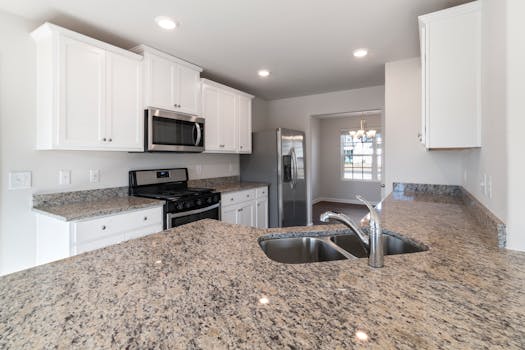

Ah, the kitchen remodel. It’s a dream for many, a reality for some, and a budgeting nightmare for a few if not approached with a healthy dose of realism. We’ve all seen those glossy magazines and HGTV shows where kitchens magically transform overnight, often without a whisper of the actual financial heavy lifting. But here’s the unvarnished truth: understanding the cost of remodeling a kitchen is less about a magic number and more about a nuanced equation involving your desires, your current situation, and a few surprising variables. Let’s peel back the layers, shall we?
The Cabinet Conundrum: More Than Just Boxes on a Wall
When you start picturing your new culinary command center, what’s the first thing that comes to mind? For many, it’s the cabinets. They’re the workhorses, the storage titans, and frankly, a significant chunk of the remodeling budget. But “cabinets” is a broad stroke, and the cost can swing wildly.
Stock vs. Semi-Custom vs. Custom:
Stock cabinets are the ready-to-wear of the kitchen world. They come in standard sizes, offer fewer style options, and are generally the most budget-friendly. Think of them as your reliable, no-frills friend.
Semi-custom cabinets offer more flexibility. You can choose from a wider array of door styles, finishes, and organizational inserts, and they can often be modified to fit your space better. This is your sophisticated, slightly tailored option.
Custom cabinets are the haute couture. Built from scratch to your exact specifications, these offer unparalleled design freedom, material choices, and intricate details. If you have a very specific vision or a uniquely shaped kitchen, this is your path – and it comes with a designer price tag.
I’ve seen clients opt for beautiful stock cabinets and spend the savings elsewhere, and others invest in custom pieces that truly elevate their entire home. It’s all about prioritization.
Countertops: The Unsung Heroes of Kitchen Aesthetics
Next up, the surfaces that see it all – the spills, the chopping, the leaning while contemplating dinner. Countertops are where form truly meets function, and their material choice is a major cost driver.
Budget-Friendly Bets: Laminate and butcher block offer attractive options at a lower price point. Laminate has come a long way, mimicking stone beautifully, while butcher block adds warmth and a natural feel.
Mid-Range Marvels: Solid surface materials like quartz and granite fall into this category. Quartz, in particular, has gained immense popularity due to its durability, non-porous nature, and wide range of aesthetic possibilities. Granite, a natural stone, offers unique patterns and beauty, though it typically requires sealing.
Luxury Liners: Marble, quartzite, and high-end exotic stones command a premium. They offer unparalleled beauty but can be more prone to staining or etching, requiring careful maintenance.
Consider your lifestyle. Are you a culinary artist who needs bulletproof surfaces, or do you enjoy a more relaxed approach to kitchen life? This will influence not just the look but also the long-term value and maintenance of your countertop investment.
Beyond the Big Two: The Hidden Costs of a Kitchen Overhaul
While cabinets and countertops often steal the spotlight (and a large portion of the budget), a true kitchen remodel involves many other components that can quietly inflate the cost of remodeling a kitchen.
#### Flooring Footwork: Laying the Foundation
The floor beneath your feet is crucial for both aesthetics and durability.
Vinyl and Linoleum: Excellent budget-friendly, water-resistant options.
Tile (Ceramic/Porcelain): A popular choice offering a vast array of styles and durability, though grout lines require maintenance.
Hardwood: Adds warmth and elegance but needs careful consideration for moisture resistance in a kitchen environment.
#### Appliance Ambitiousness: More Than Just Shiny Boxes
Your new appliances can be a significant investment. While you might dream of that professional-grade range, it’s wise to balance desire with practicality.
Basic functionality: If your current appliances are older but still working, upgrading for sheer aesthetics might not be the highest priority.
Energy efficiency: Newer appliances often boast significant energy savings, which can offset their initial cost over time.
Integrated vs. Freestanding: Integrated appliances offer a seamless look but typically come at a higher price point than freestanding models.
#### The Plumbing and Electrical Jiggle: Don’t Forget the Guts!
This is where things can get unexpectedly pricey.
Moving Lines: If you’re changing the layout significantly, the cost of rerouting plumbing and electrical can be substantial. Don’t underestimate this!
Upgrades: Sometimes, older homes have outdated electrical systems that need an upgrade to meet modern code requirements for new appliances.
New Fixtures: A new sink, faucet, or even extra outlets can add up.
#### Lighting: Setting the Mood (and Visibility)
Good lighting is crucial for both task performance and ambiance. Think beyond just a central overhead fixture.
Task lighting: Under-cabinet lights are a game-changer for food prep.
Ambient lighting: Recessed lights or pendant lights can create a warm glow.
Accent lighting: Spotlights can highlight artwork or architectural features.
Each of these elements contributes to the overall cost of remodeling a kitchen, and neglecting them can lead to unwelcome surprises down the line.
DIY Dreams vs. Professional Polish: Who Does the Work?
A major factor influencing the cost of remodeling a kitchen is whether you’re a hands-on hero or prefer to delegate.
DIY: Tackling parts of the remodel yourself can save considerable labor costs. However, be honest about your skill set. A botched tile job or an incorrectly installed faucet can end up costing more to fix than hiring a professional in the first place.
General Contractor: Hiring a GC means you have one point of contact responsible for managing subcontractors, timelines, and the overall project. This convenience comes at a cost, typically 10-20% of the total project budget.
Hiring Trades Directly: You can manage plumbers, electricians, and tilers yourself. This requires more time and effort from you, but can offer more control over costs.
My advice? For complex tasks like electrical, plumbing, or structural changes, always go with a licensed and insured professional. For painting or demolition (if you’re feeling brave!), DIY might be a good option.
The Unseen Inflation: Permits, Contingencies, and That “Wow” Factor
Beyond the tangible materials and labor, there are other crucial considerations that impact your budget.
Permits: Depending on your location and the scope of work, you’ll likely need building permits. These have associated fees and can sometimes require inspections.
Contingency Fund: This is non-negotiable! Always set aside 10-20% of your estimated budget for unexpected issues. I’ve seen too many projects go sideways because there was no buffer for those “oh no!” moments.
* The “Wow” Factor: Sometimes, you just want that extra special touch – a unique backsplash, a custom spice rack, or smart home integration. These are the cherry-on-top expenses that can significantly elevate the final cost but also deliver immense satisfaction.
Wrapping Up: Your Budget-Savvy Kitchen Adventure
So, what’s the magic number? It truly is a spectrum. A minor refresh might cost a few thousand dollars, while a high-end, gut-job renovation can easily reach tens, or even hundreds, of thousands. The key to managing the cost of remodeling a kitchen is thorough research, honest self-assessment of your needs and skills, and a healthy respect for the contingency fund.
Before you even pick up a hammer or call a contractor, sit down with a detailed list of your must-haves, your nice-to-haves, and your absolute deal-breakers. Then, get multiple quotes, compare apples to apples, and remember that a well-planned kitchen remodel is an investment that can bring joy, efficiency, and value to your home for years to come.

